
Coolant Hose Failures Are Rarely About the Hose
Many coolant hose problems are mistaken for “poor hose quality,” but in real cases, the hose is often not the first thing that fails.
When a vehicle overheats repeatedly after replacement, most people look at hose thickness or brand.
In reality, the failure usually starts with sealing stability under heat and pressure.
As temperature rises, low-grade rubber hardens, O-rings lose elasticity, and small leaks turn into major complaints.
A proper cooling system doesn’t rely on a thick hose alone.
It relies on material stability, sealing design, and long-term heat resistance working together.
When one link is weak, the system fails—even if the hose looks “new”.
This is how top 0.1% industry managers think.
They don’t judge coolant hoses by appearance or price.
They evaluate how the hose behaves after months of heat cycles, and they fix the root cause before the customer sees steam under the hood.
In cooling systems, good decisions don’t just prevent leaks.
They prevent comebacks.
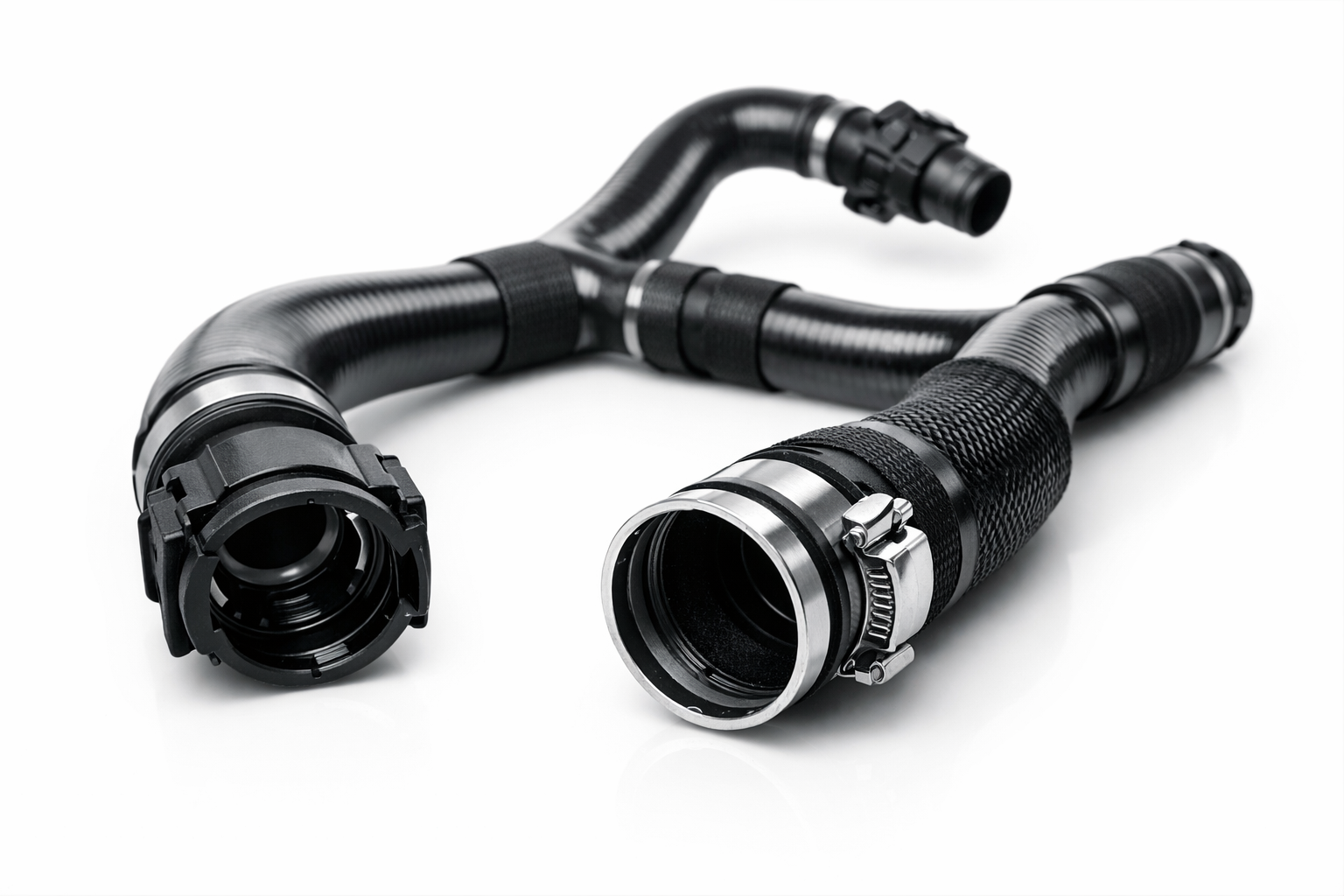

 Why Are European Vehicle Cooli
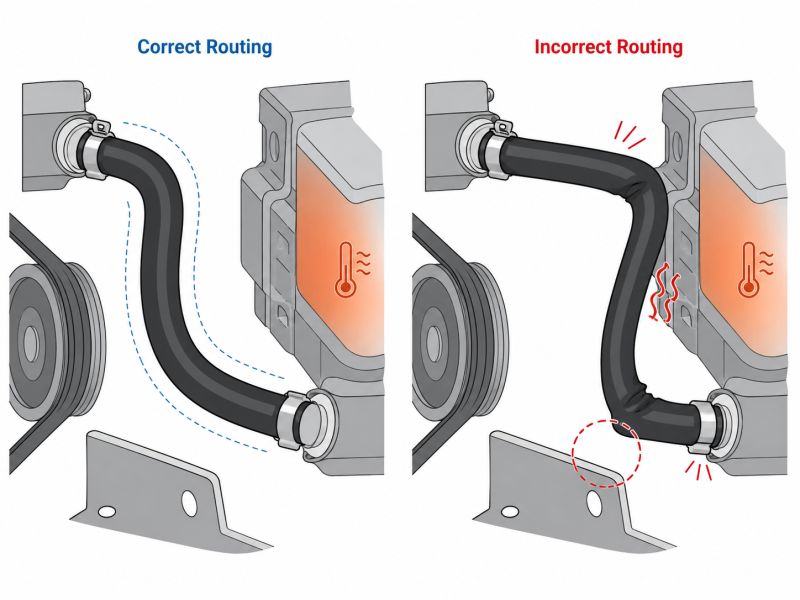 Beyond Size: Why Cooling Hose
 Far Young Successfully Partici
Coolant Hose Failures Are Rare
Far Young Successfully Partici
Coolant Hose Failures Are Rare



-
Head Office: Building 5, Greenland Huichuang International, Baiyun District, Guangzhou, China